
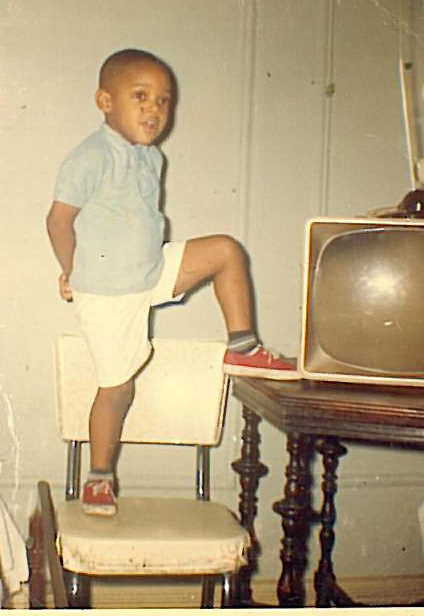
Kenneth Braswell - Age 3
By Kenneth Braswell; Executive Director of Fathers Incorporated
As a child growing up in a single mother household in Brooklyn; rarely did we contemplate or talk about the reality of not having a father in our home. To me, the things to which we had to adjust, because of poverty were just part of our everyday lives. Three generations of boys wearing the same pair of sneakers were normal for my community. Thus each day our family was met with new adventures and challenges. Nothing in our conciseness sounded an alarm; that something might actually be wrong or missing in this place we called, home. Yet for me and the scores of friends in my neighborhood unable to develop a clear definition of fatherhood; we, quite frankly; just simply survived. The fact that our families were above or less than 200 percent of poverty had no relevance and the absence of my father; no consequence; so I thought.
My mom; she never had a bad thing to say about my father. In fact, even at the times she seem to be discouraged by her inability to provide all the things we desired; she maintained her dignity and never let us see or feel the frustration of raising her children alone. Heavyweight boxing champion, Muhammad Ali once said while visiting Africa and speaking of its people; that even in their poverty; he saw a dignity in their spirit that was undeniable. That was my mom.
My father, who was married, engaged and loving; had seven sons, I was one. Yet while he showed every ability and desire to be a nurturing and responsible father to my six brothers, I unfortunately was never privileged. As a result, I was one of the millions of children in the United States that woke up each morning without my biological father in the home. Today, these children represent 24 million and growing (disproportionately in Black and Latino families).
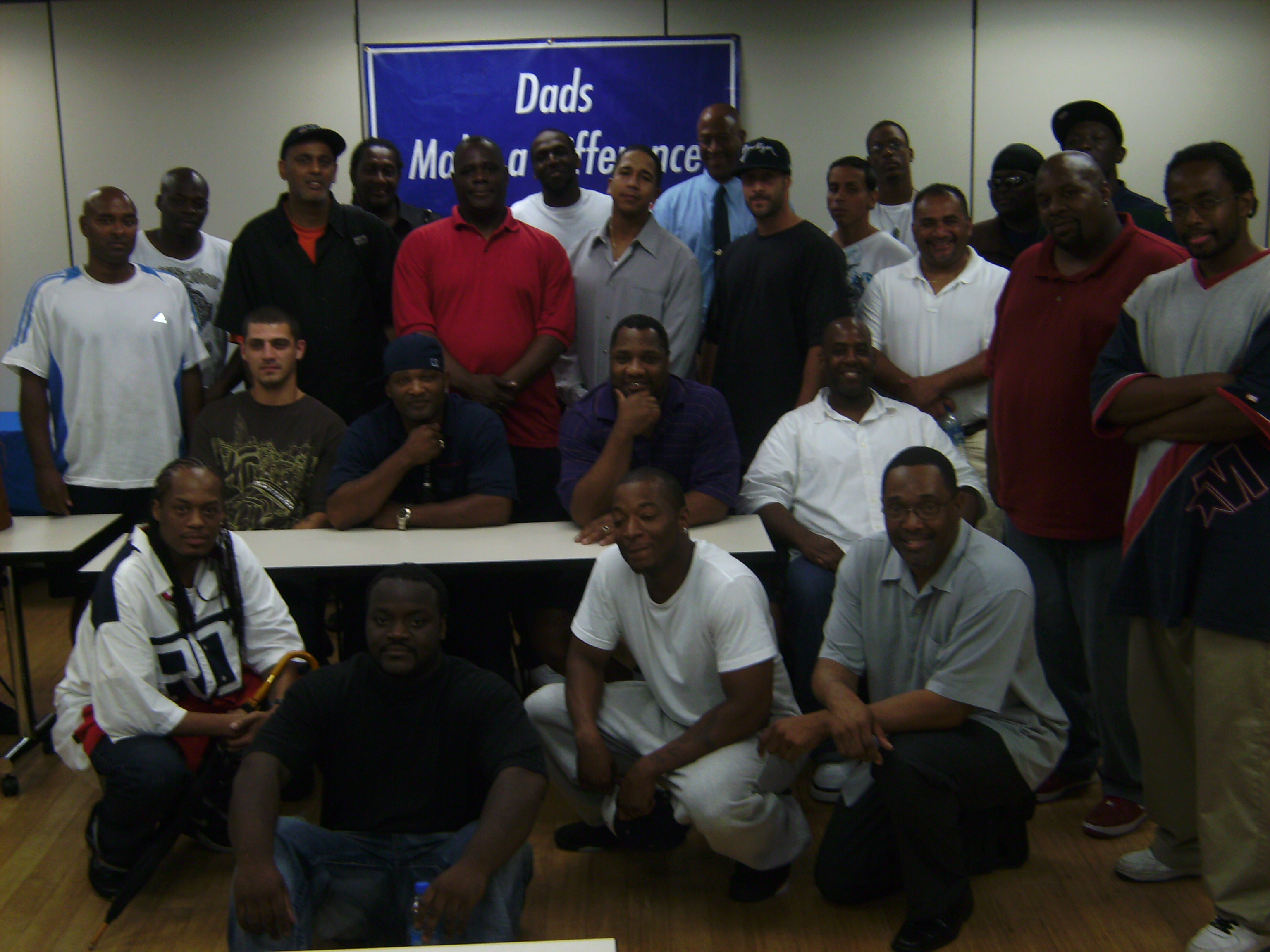
Kenneth Braswell after talk sesssion with fathers at St. Nicks in Brooklyn
I don’t know if I would describe my father as a deadbeat dad; nor do I think my mother would. Clearly, he was able to be a father. More importantly he was able to exhibit a level of responsibility. But what about me (why me?) and the question we all struggle with; “What is a Deadbeat Dad?”
Often in the media’s description of a deadbeat dad, we’ll find a father who for unknown reasons have either ignored or defied his responsibility to be a responsible father. Their faces are plastered on milk cartons; posted in most wanted lists and vilified in the conversations of women all over the world. It often seems that the moniker of “deadbeat dad,” exists primarily so that we have something to hate. For the most intelligent of us simply refuse to further define it; fearing that we may dispel what we want to believe about so called, “deadbeat dads.” As our President so eloquently reminds us, “any fool can be a father; but it takes a man to be responsible.”
The 1968 Moynihan report stated that fatherlessness would be the most devastating social issue of Black families in the 21st Century. Yet in 2010, we have yet to heed its warning. True; much has been done in the last 30 years with regards to economic and workforce development for men and fathers. However, not nearly enough was done to destroy the incubator that creates the atmosphere for deadbeat dads to develop; fatherlessness and poverty.
For example, in New York State over $4 Billion of the Child Support arrears are owed by fathers who earn less than $10,000 a year or have no reported income. Much of this money will probably never be seen by the moms who so desperately need it. Deadbeat dads aren’t the reason, but amongst other things, dead broke dads are.
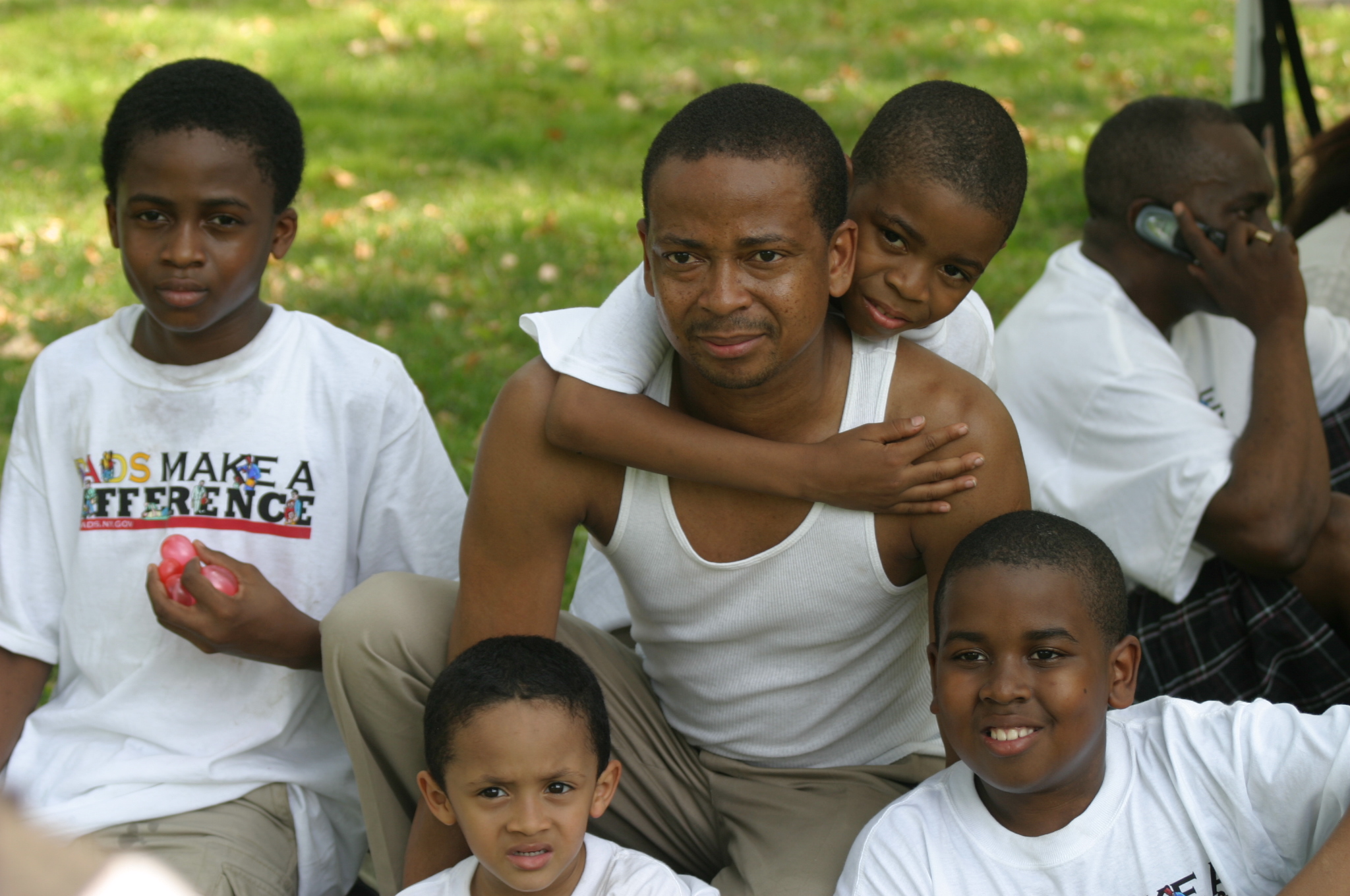 The definition of a deadbeat dad is elusive; however it starts with a man’s ability to be financially responsible, yet won’t; not when fathers desire to be involved and can’t. These primarily low-income fathers face high unemployment, low educational attainment, incarcerated backgrounds, inadequate housing, poor health and other social issues that serve as barriers for these fathers to be financially engage. More importantly these things also serve as obstacles for them to be emotionally invested.
Don’t think for one minute that we let fathers off the hook from being actively involved with their children because they don’t have a job. A child should never be used as a pawn or placed in the middle of a dysfunctional relationship; by either parent. I do however bring attention to the societal view, size and criticalness of the obstacle. In many cases the struggle of a man to pay child support does not make him a deadbeat dad. Therefore, it is not the inability that should make you angry about these dads, but the unwillingness of those dads that draw the media’s attention and focus.
More has to be done in the areas of poverty for all segments of the family; especially fathers. If we are true to the desire of alleviating poverty for children, we must begin the work necessary for a population of society looked upon to be both financially and emotionally involved in the lives of their families and children. Yet, with transitioning gender roles and expectations, these roles for men and fathers have not been redefined.
So; for me, can I call my dad a “deadbeat?” Probably not; however he was irresponsibly absent, as I once was and as most of these men are; willingly and unwillingly.
Discover more from Dads Pad Blog
Subscribe to get the latest posts sent to your email.

I have written a novel about the experiences of a man who became a ‘deadbeat dad’. It was not by his choosing.
The book describes many of his inner feelings and thoughts as he continued with his life and eventually reconnected with his children.
The book is titled The Monkeybars of Life.